Field guides
Find a focused answer and follow the next useful decision.
Estimating practice
 Start a material takeoff
Separate the things you must build from the stock you must buy.
02 / Estimating practice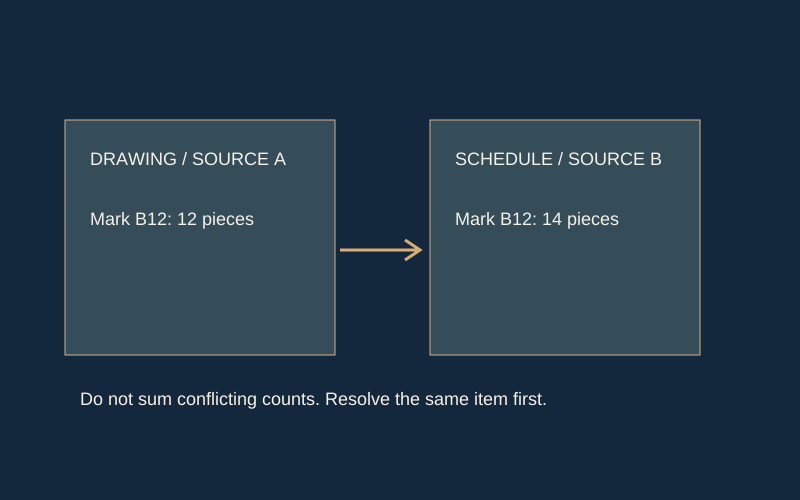 Write a parts list that can be checked
Use unique labels and measured dimensions to make every piece traceable.
03 / Estimating practice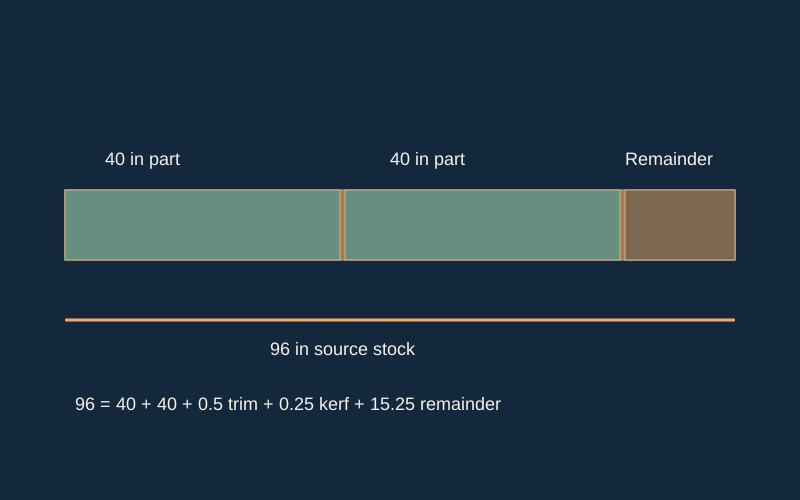 Account for kerf and end trim
Small losses change whether a cutting pattern physically fits.
04 / Estimating practice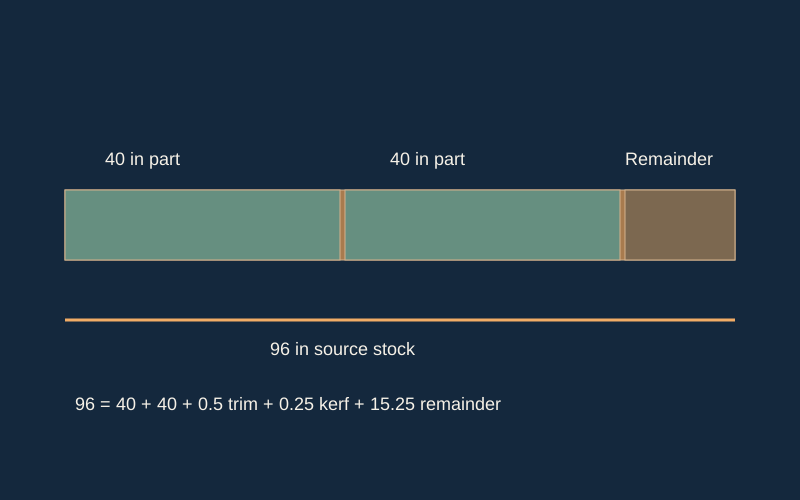 Choose stock lengths with the parts in view
Total footage cannot tell you which lengths are useful.
05 / Estimating practice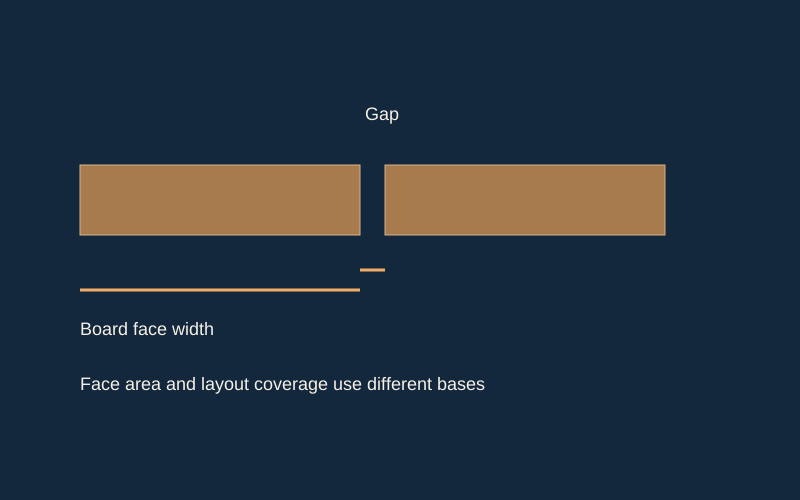 Actual volume is not always the billable tally
Keep physical dimensions separate from the supplier’s purchasing convention.
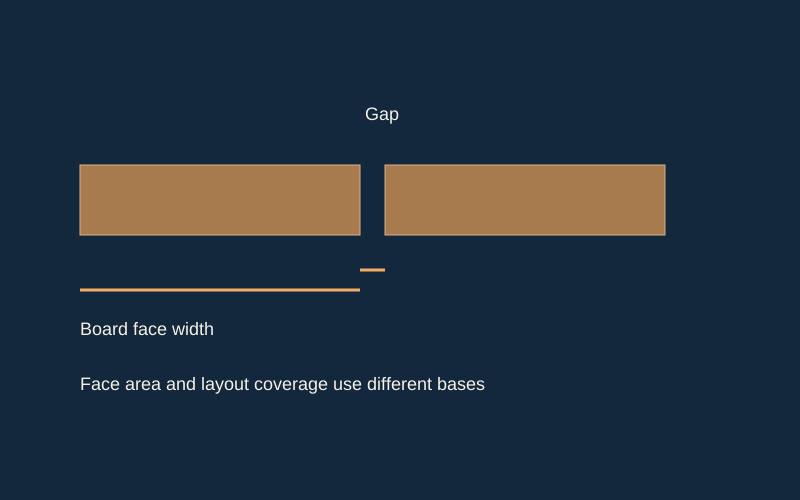
06 / Estimating practice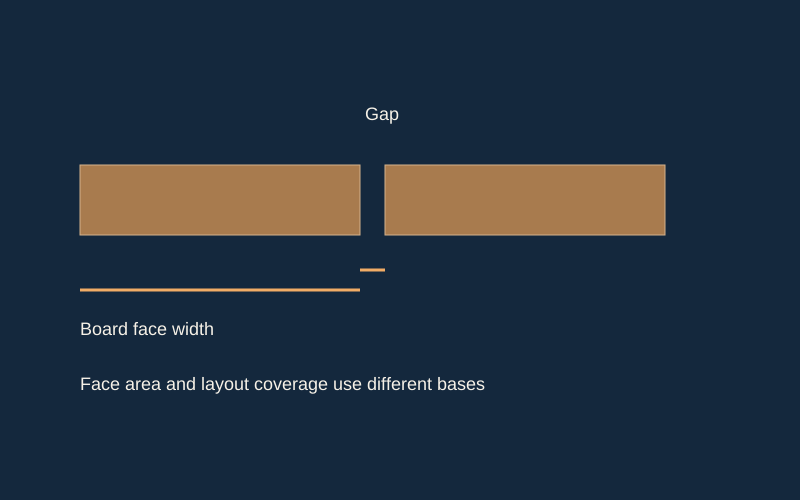 Convert face area without overstating coverage
The face of the board and the area of the assembly answer different questions.
07 / Estimating practice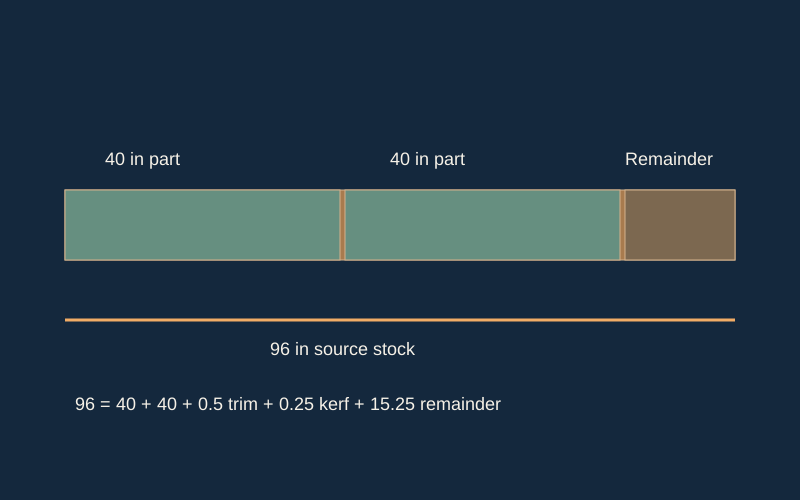 Separate waste, offcuts and contingency
A single percentage can hide several unrelated decisions.
08 / Estimating practice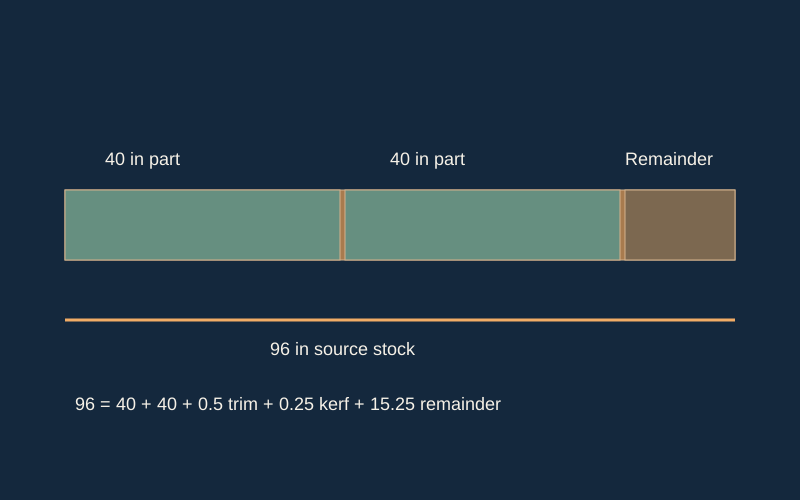 Make offcuts useful with a record
A leftover becomes usable stock only when its limits are known.
09 / Estimating practice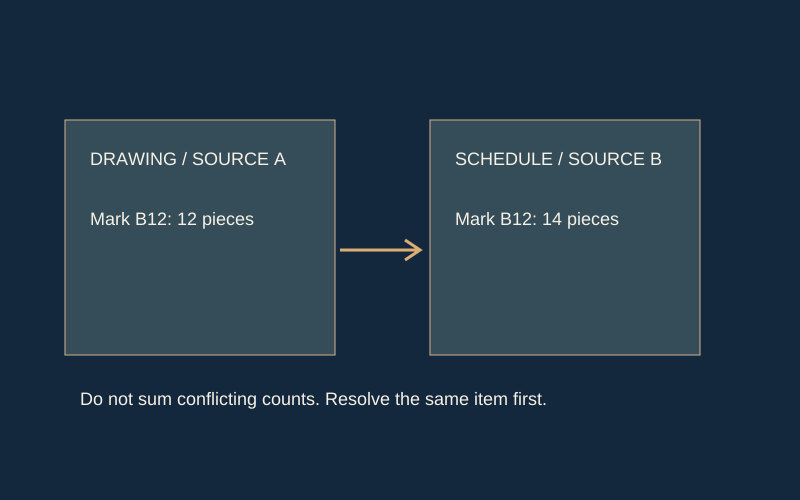 Keep unlike materials in separate takeoffs
A shared length does not make two pieces interchangeable.
10 / Estimating practice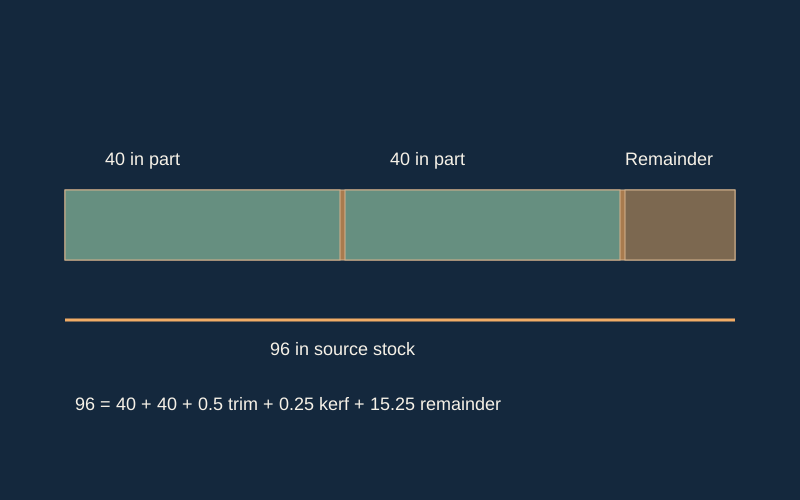 Read a cut plan without over-trusting it
A feasible length pattern is only one part of a fabrication decision.
11 / Estimating practice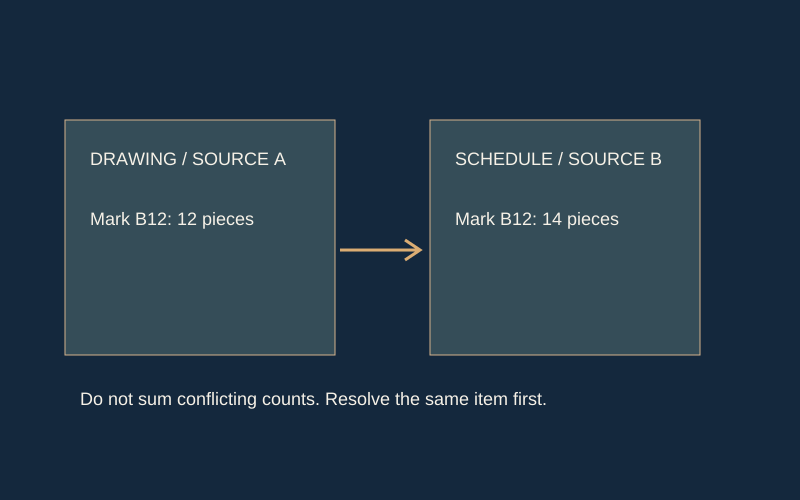 Review the purchase list before it becomes an order
Give the supplier a complete scope and keep provisional decisions visible.
12 / Estimating practice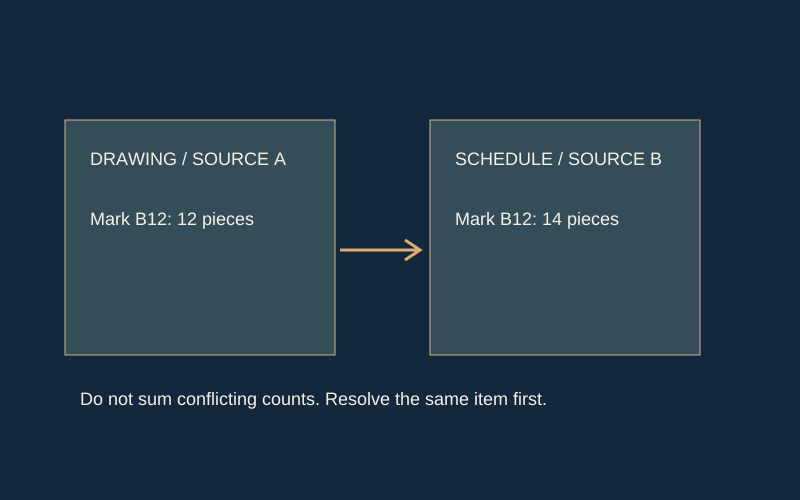 Keep a simple takeoff revision trail
Make it possible to answer what changed, when and why.
Source review
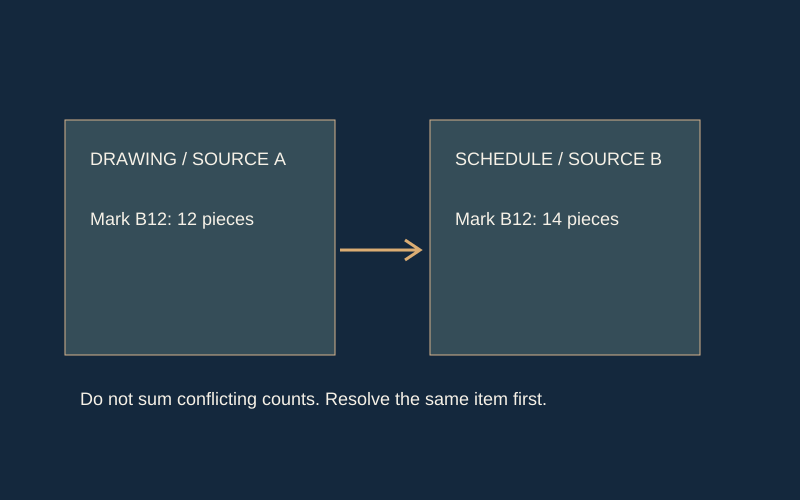 Review an AI-assisted takeoff against its sources
Move from uploaded documents to checked quantity lines without treating extraction as approval.
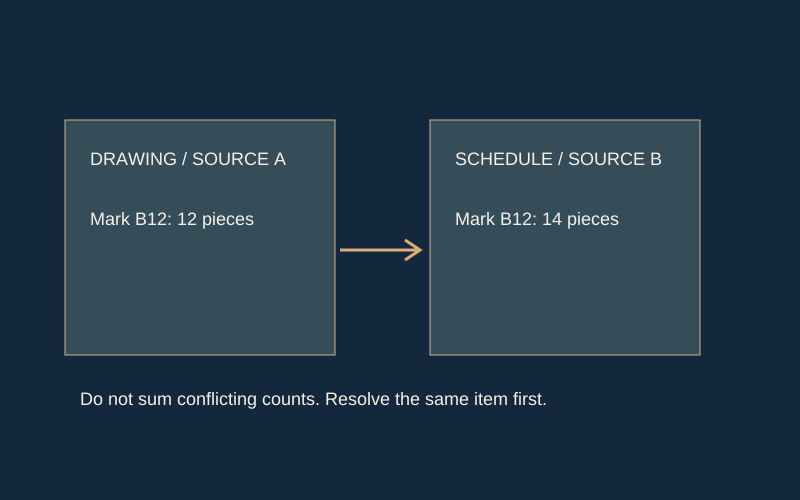
02 / Source review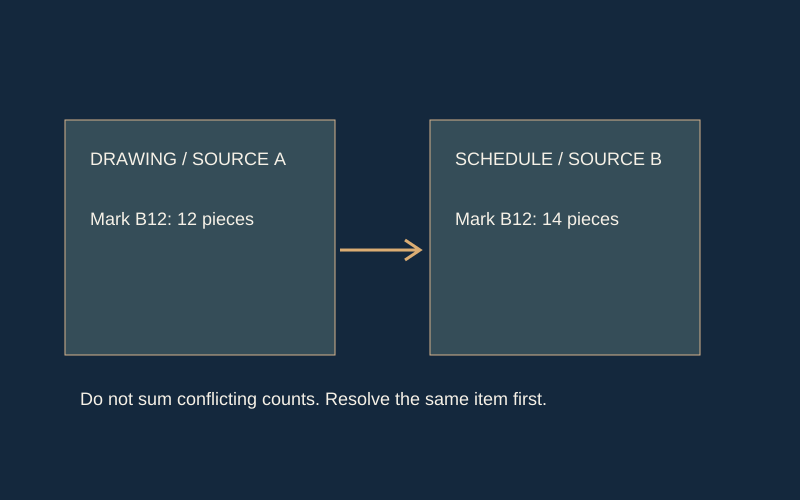 Resolve drawing and schedule conflicts before approval
Keep competing source references visible until the quantity basis has a documented resolution.
Quantity planning
 Build a deck material quantity record
Count documented deck components and purchasing units while keeping design decisions outside the takeoff.
02 / Quantity planning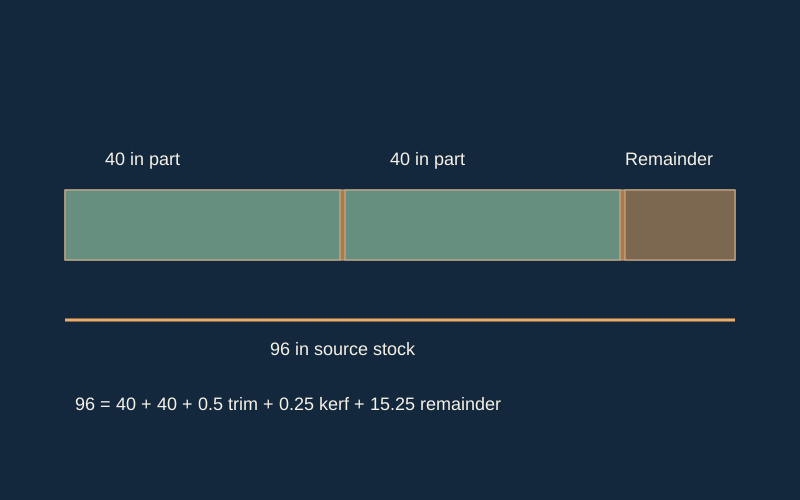 Separate net lumber parts from purchasable stock
Keep dimensions, counts, and tally conventions clear from the source list through the purchase record.